Showing posts with label Professional relationships. Show all posts

Tuesday, 20 May 2025

LEADERSHIPS

 Exploring Different Types of Leadership

Leadership is a multifaceted concept that manifests in various forms, each with strengths and challenges. Through recent professional development, I have gained deeper insights into different leadership styles, including transformational, transactional, servant, instructional, and distributed leadership. Understanding these styles has helped me reflect on my own approach and identify strategies to grow as a more effective leader within the school community.

Transformational leadership emphasizes inspiration, vision, and long-term change. Leaders who adopt this style work to motivate others by creating a shared purpose and encouraging innovation. I admire how transformational leaders build trust and foster a sense of belonging among their teams. It has encouraged me to consider how I can inspire others in my school by setting high expectations, modelling professional values, and promoting collaborative learning environments.

In contrast, transactional leadership focuses more on structure, performance, and short-term goals. While this approach can sometimes seem rigid, I’ve learned that it plays a crucial role in maintaining accountability and clear expectations. Understanding when to apply transactional strategies, such as performance monitoring and feedback, can effectively ensure consistent progress and standards within teaching teams or student learning.

Servant leadership particularly resonated with me because of its emphasis on empathy, listening, and putting others’ needs first. This approach aligns well with my personal values as an educator. I see great potential in adopting more servant leadership practices, especially when working with students, parents, and colleagues. Being approachable, supportive, and community-focused fosters trust and leads to more meaningful and productive relationships.

Finally, exploring instructional and distributed leadership highlighted the importance of sharing leadership responsibilities and focusing on student achievement. Instructional leaders prioritize curriculum and pedagogy, while distributed leadership encourages collaboration across all staff levels. Both styles remind me that leadership is not about a title or position but about influence and shared responsibility. Moving forward, I aim to empower others by recognizing their strengths and involving them in decision-making processes that ultimately benefit our learners.

PD DATED 19/05/2025 AT KORU PRIMARY SCHOOL.

Tuesday, 19 November 2024

Narrative Writing

 Importance of teaching Narrative writing.

Developing Communication and Storytelling Skills

Narrative writing equips primary school students with the tools to effectively share stories, ideas, and experiences. Through this form of writing, they learn how to structure their thoughts cohesively, use descriptive language, and engage their audience. Storytelling is a fundamental human activity, and narrative writing teaches students how to construct meaningful narratives that convey messages and emotions. These skills are essential for both academic success and everyday communication, helping students articulate their perspectives clearly and compellingly.

Fostering Creativity and Imagination

Narrative writing nurtures creativity and imagination by encouraging students to invent characters, settings, and plots. It provides a platform for them to explore their ideas freely and think beyond the boundaries of reality. Whether they are creating fictional worlds or recounting personal experiences, narrative writing allows students to express themselves uniquely. This creative process builds their confidence in experimenting with ideas and inspires them to think innovatively, skills that are invaluable in all areas of learning and problem-solving.


Building Empathy and Emotional Awareness

When students engage in narrative writing, they often step into the shoes of their characters, imagining different perspectives and experiences. This practice fosters empathy and emotional awareness, helping students understand and relate to others’ feelings and situations. Writing personal narratives also gives students an outlet to process and express their emotions, contributing to their social and emotional development. This ability to empathize and connect with others is a vital life skill that enriches their relationships and sense of community.

Strengthening Literacy and Critical Thinking Skills

Narrative writing integrates key literacy skills such as reading comprehension, vocabulary development, and grammar usage. By crafting stories, students learn how to organize their ideas logically and revise their work for clarity and coherence. Additionally, narrative writing enhances critical thinking by requiring students to make decisions about plot progression, character development, and resolution of conflicts. These analytical skills are transferable to other areas of study, fostering a well-rounded and thoughtful approach to learning.

Te Reo Maori

Teaching Te Reo Māori: Nurturing Language and Culture

Teaching Te Reo Māori in schools is an essential step toward preserving and revitalizing the language, as well as fostering cultural awareness and understanding among students. As one of New Zealand’s official languages, Te Reo Māori connects students to the rich history and traditions of Aotearoa. Integrating it into the classroom curriculum helps students appreciate the unique cultural identity of the Māori people while encouraging respect for diversity. By embedding the language into everyday learning, students develop a deeper connection to the land and its indigenous heritage.

A key aspect of teaching Te Reo Māori is creating an engaging and inclusive environment where students feel confident to explore and use the language. This involves starting with foundational elements such as basic greetings, numbers, and commonly used phrases, before progressing to more complex sentence structures and vocabulary. Using songs, games, and storytelling as teaching tools makes learning Te Reo fun and interactive. Incorporating tikanga (customs) and kaupapa Māori (Māori principles) into lessons further enriches the learning experience by connecting the language to cultural practices.

Effective teaching of Te Reo Māori also emphasizes cross-curricular integration, ensuring the language is not confined to isolated lessons. For example, students can practice counting in Te Reo during maths, label native plants in science, or use the language in creative writing and art projects. Such integration reinforces learning by making it part of their daily interactions, rather than treating it as a standalone subject. Schools that adopt a whānau-centered (family-oriented) approach also strengthen learning by involving families and communities, encouraging students to use Te Reo Māori outside the classroom.

Lastly, teaching Te Reo Māori fosters broader life skills such as empathy, open-mindedness, and a sense of identity. It provides students with tools to become culturally responsive citizens, equipped to navigate and contribute to a multicultural society. By normalizing the use of Te Reo in schools, educators play a pivotal role in the language's revitalization and ensure that future generations uphold the mana (prestige) of this taonga (treasure).

Monday, 27 November 2023

Spotek Words

 What is Spoken Words?


"Spoken words" refer to words that are uttered or vocalized by a person as part of oral communication. It involves the use of the voice to convey thoughts, ideas, information, or emotions to others. Unlike written words, which are communicated through written language, spoken words rely on spoken language, intonation, and other vocal elements.

Key characteristics of spoken words include:

  1. Oral Expression: Spoken words are articulated through the mouth and vocal cords. The speaker uses their voice to communicate with others.

  2. Intonation: The pitch, tone, and rhythm of spoken words contribute to the overall meaning and emotional expression. Changes in intonation can convey nuances, such as excitement, emphasis, or uncertainty.

  3. Contextual Cues: In spoken communication, context, body language, and facial expressions often play crucial roles in understanding the intended meaning of the words spoken.

  4. Immediate Interaction: Spoken words allow for real-time interaction between speakers and listeners. Feedback, questions, and clarification can be exchanged immediately.

  5. Informality: Spoken language can be more informal and spontaneous compared to written language. It often includes elements such as colloquialisms, slang, and conversational style.

Spoken words are a fundamental aspect of human communication and are used in various contexts, including everyday conversations, public speaking, presentations, storytelling, and more. The effectiveness of spoken communication depends not only on the words themselves but also on how they are delivered, the tone used, and the overall context in which they are spoken.


Tuesday, 7 June 2022

Teaching

Teach and respond to learners in a knowledgeable and adaptive way to progress their learning at an appropriate depth and pace.

Use an increasing repertoire of teaching strategies, approaches, learning activities, technologies, and assessments for learning strategies and modify these in response to the needs of individuals and groups of learners.

Project-Based Learning is one of the best teaching strategies to engage students with diverse needs in a meaningful and effective way.


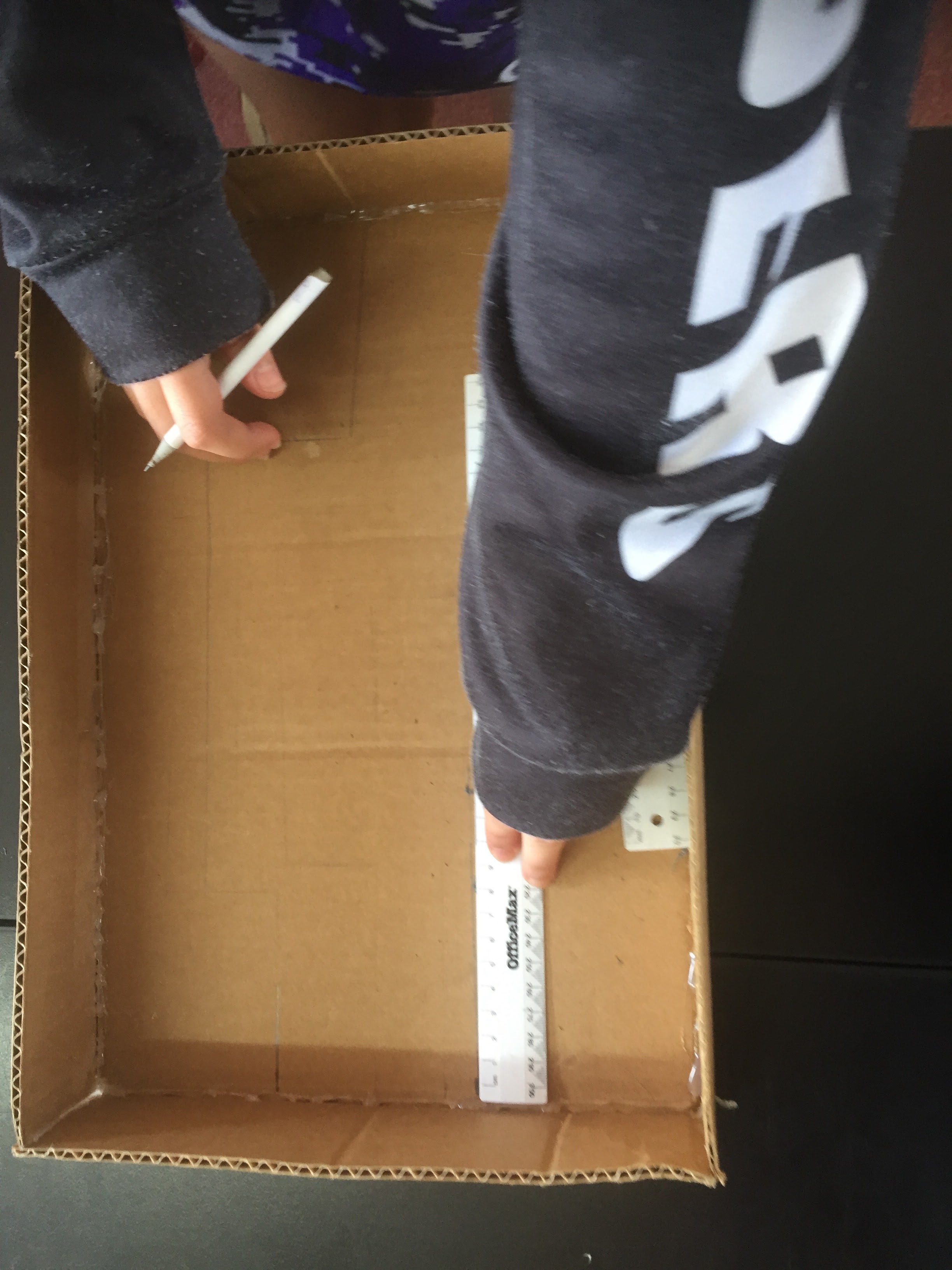
Here, the students are engaged in project-based learning by working together to fulfill their segment of the whole project. While the students are enjoying the collaborative nature of the learning tasks, it also gives them an opportunity to support each other for the benefit of the whole group.

Provide opportunities and support for learners to engage with, practice, and apply learning to different contexts and make connections with prior learning.


This project allows students to make connections with prior learning where they apply measurements, their ability to mark straight lines accurately before cutting, and the ability to use available learning tools such as hot glue guns in a safe and correct manner.


Teach in ways that enable learners to learn from one another, collaborate, to self-regulate, and develop agency over their learning.

Project-Based Learning permeates students to collaborate through completing their segment of the whole project. Each student is responsible for fulfilling his/her role for the successful outcome of the group effort.

Quite a wide range of Learner Agency are I action in project-based learning. Student voices are consistent and take over from the teacher. The students are the drivers of their learning and they navigate the pathway to success.

Ensure learners receive ongoing feedback and assessment information and support them to use this information to guide further learning.


As soon as students complete one stage of their project, they hand it in to the teacher for feedback.  The teacher assesses the stage that has been completed and decides whether further work is required or if the students are ready to move to the next phase. 


With the teacher's approval, students move on to the next phase with great satisfaction of completing the successive stages leading to the next.


Learning-focused culture: .


Create an environment where learners can be confident in their identities, languages, cultures, and abilities.

Room 6 has students from diverse cultural backgrounds. Therefore, it is imperative that teaching and learning also focus on students' identities and cultures. A good example is the students of Room 6 celebrating a week-long Samoan Language week to show their respect and tolerance towards each other and learn alongside each other in harmony and in a peaceful environment.


Develop an environment where the diversity and uniqueness of all learners are accepted and valued.


Below are the images of Room 6 students learning the English alphabet through the medium of sign language. This is in response to celebrating week-long sign language and also to accepting individual differences that are in all the learners.

Sign language is another form of communication that nearly all students can use and benefit from.  It’s an exciting and engaging language that connects students with a range of different people. Learning signs is a multi-sensory experience, and the visual and tactile nature of signing helps to engage a variety of learners. Plus, it’s super fun!


There are a number of benefits to introducing sign language to your students. Signs can help students with speech and language delays communicate more effectively, and they can give everyone another means of communication. One more tool in the communication tool belt!


Most importantly it gives students an opportunity to embrace diversity by learning not only another language but also the rich history and culture of the deaf/hard of hearing community. Learning about someone else’s language and culture helps students make new connections, and creates a sense of belonging for those in your community who use sign language.


Remember, sign language is different across countries and languages. Each sign language has its own structure and grammar rules and incorporates hand signs, body language, facial expressions, and lip patterns. Be mindful about the resources you are using, and if you are unsure, talk to someone from the deaf/hard of hearing community in your local school district.

Teaching signs for a range of vocabulary words (e.g. nouns, verbs, adjectives) helps broaden students’ knowledge. Teaching students how to find words by using online sign dictionaries or other resources can help them to be lifelong learners while giving them more tools to use when they meet someone from the deaf/hard of hearing community.


Greetings are a good place to start introducing some signs because they happen every day and are often the first things we say to someone when we meet them. This includes the signs for hello and goodbye and asking for someone’s name. It might be helpful to have students think about cultural behaviors when meeting someone from the deaf/hard of hearing community. 


Things like getting the person’s attention before signing, changing positions so it is easier to see signs, and taking turns in conversations so only one person is signing at a time


Demonstrate high expectations for the learning outcomes of all learners, including for those learners with disabilities or learning support needs.

Here are some of the recipients of high achievements. Their successes are celebrated by honoring them with tangible rewards to reinforce high expectations and empowering them to perform to the standards and try their best. At the same time, this is also an opportunity to inspire other learners to perform better.

Develop learning-focused relationships with learners, enabling them to be active participants in the process of learning, sharing ownership and responsibility for learning.


One of the best ways in which effective learning-focused relationships can be established is to provide opportunities to students to be active participants in the process of learning, sharing ownership and responsibility for learning. 

When students are taking ownership of their learning, they have a lot to share with their peers. they build their confidence to communicate freely and respectfully with others. This creates a kind of classroom environment where students find themselves safe to learn and need not worry about making mistakes in their learning. 

It is very important that students must have a very significant voice in their learning so that they feel that they are the major players in the design of the learning. 

Giving the responsibility to the students for their own learning gives a purpose to the students for coming to school every day. Students clearly are aware that they are the real deal in the classroom. Their aspirations and dreams take off in the classroom when they see themselves making steady progress in their learning,


Giving responsibility for their own learning show students how they are becoming better learners on a regular basis, particularly by embracing mistakes. I frequently share my own errors so that students realize it’s OK to mess up as long as we learn from it. I told my class about a major mistake I made while I was a student. Without the experiences of failure, we don’t get better. 


If students can make mistakes desirable, they truly experience the value of a growth mindset that encourages a “not yet” approach to learning. Students are more likely to own their growth if they realize that success is a process that involves some struggle.


Responding to feedback and making changes based on their suggestions communicates to students that we value their ideas and perspectives. If students feel comfortable providing input that is informative but not tied to a grade or other consequence, we can better address learning needs. Authentic success is the one students achieve by being responsible for their own learning.


Wednesday, 19 August 2020

Professional Development - Embed Google SLIDES into Blogger

THE IMPORTANCE OF PROFESSIONAL DEVELOPMENT 

Education is a never-ending process. It doesn’t stop after earning a degree and starting a career. Through continuing education, career-minded individuals can constantly improve their skills and become more proficient at their jobs. In the field of Teaching/Learning, it is particularly important for school administrators to encourage teachers to pursue professional development, not only to ensure the best learning outcomes for their students but also to be more effective and satisfied in various other aspects of their work.


Embed Google SLIDES into Blogger


Educational technology, school district guidelines and curriculum standards are constantly changing, making it challenging for teachers to keep up with trends and best practices in the field. Professional development transforms teachers into better and more apt educators by enabling them to create relevant and tailored course instructions for today's students

Monday, 10 August 2020

PROFESSIONAL DEVELOPMENT - Digiverse

 DIGIVERSE WORKSHOP

The Importance of Professional Development for Educators

If there is one thing education leaders agree can improve classroom instruction, student learning and teacher retention all at once, it’s providing a robust professional development program.

When administrators invest in the professional development of their teachers, they are rewarded with a variety of positive outcomes within the classroom and across the entire district.

Here are Five Ways Professional Development Will Improve Teaching/Learning:

Students Have Better Learning Outcomes

Teachers Learn Better Ways to Teach.

Teachers Develop Better Organization and Planning Skills.

Teachers Gain Knowledge and Industry Insight

Teachers Want to Continue Their Education.

Link: https://www.powerschool.com/resources/blog/benefits-professional-development/


ABOVE: Here, I am seen with some participants in one of the workshops.


ABOVE: Here, I am seen with some of my colleagues ready for the powhiri.